
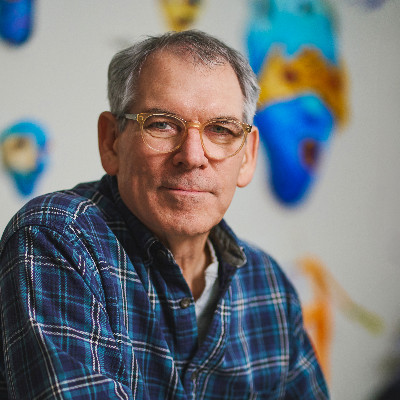
Chas Martin
Portland, Oregon
"If you're not creating problems to solve, you're not being creative enough."
About Me
Chas Martin’s art path spans 45 years. After studying visual communication at Pratt Institute in New York City, he worked as an art director and creative director for national ad agencies in Boston and San Francisco. At night, he began painting to satisfy his imagination unconstrained by client directives. Martin’s experiences managing photographers, videographers, illustrators, writers and programmers sharpened his ability to develop and execute concepts.
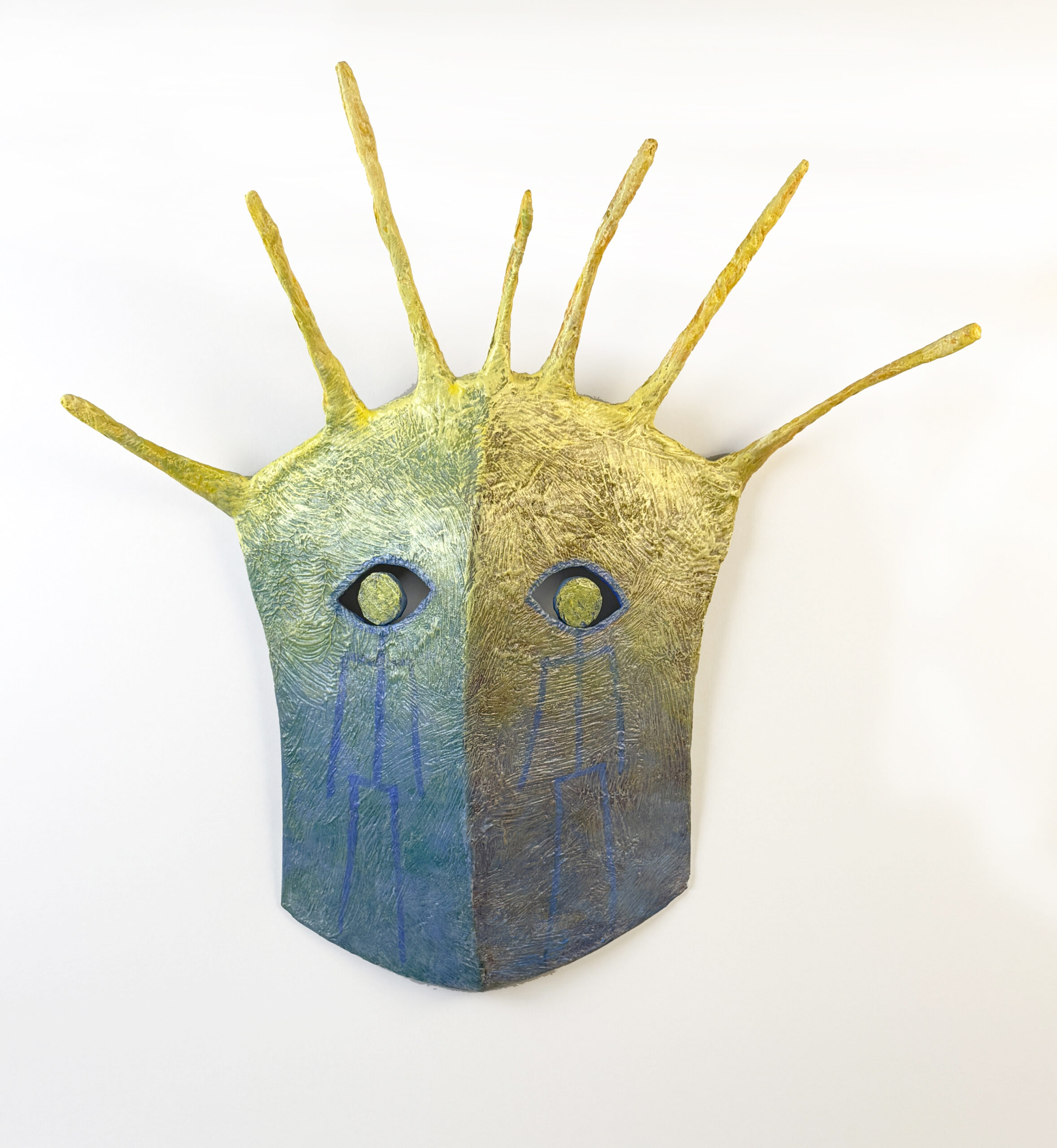
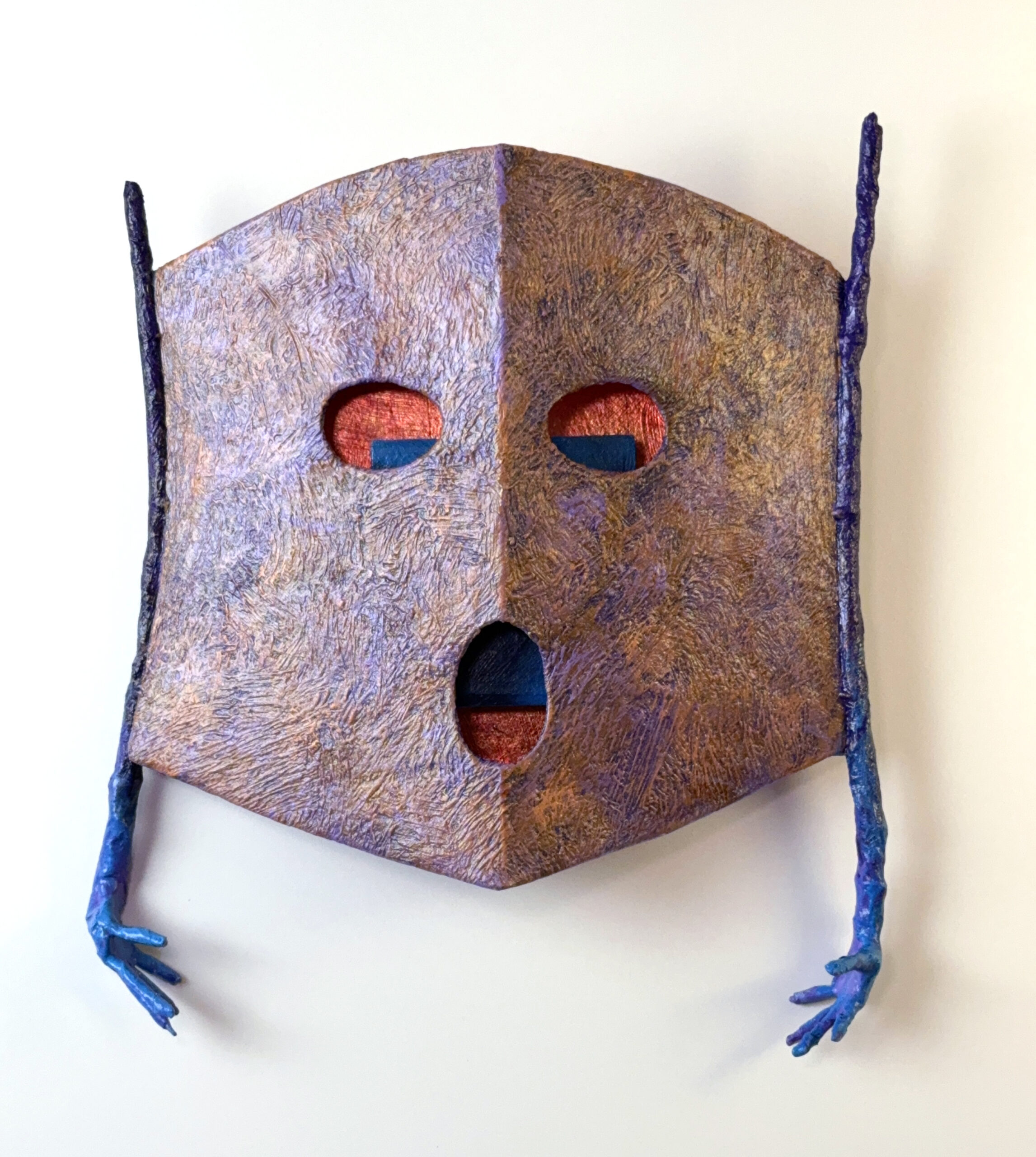
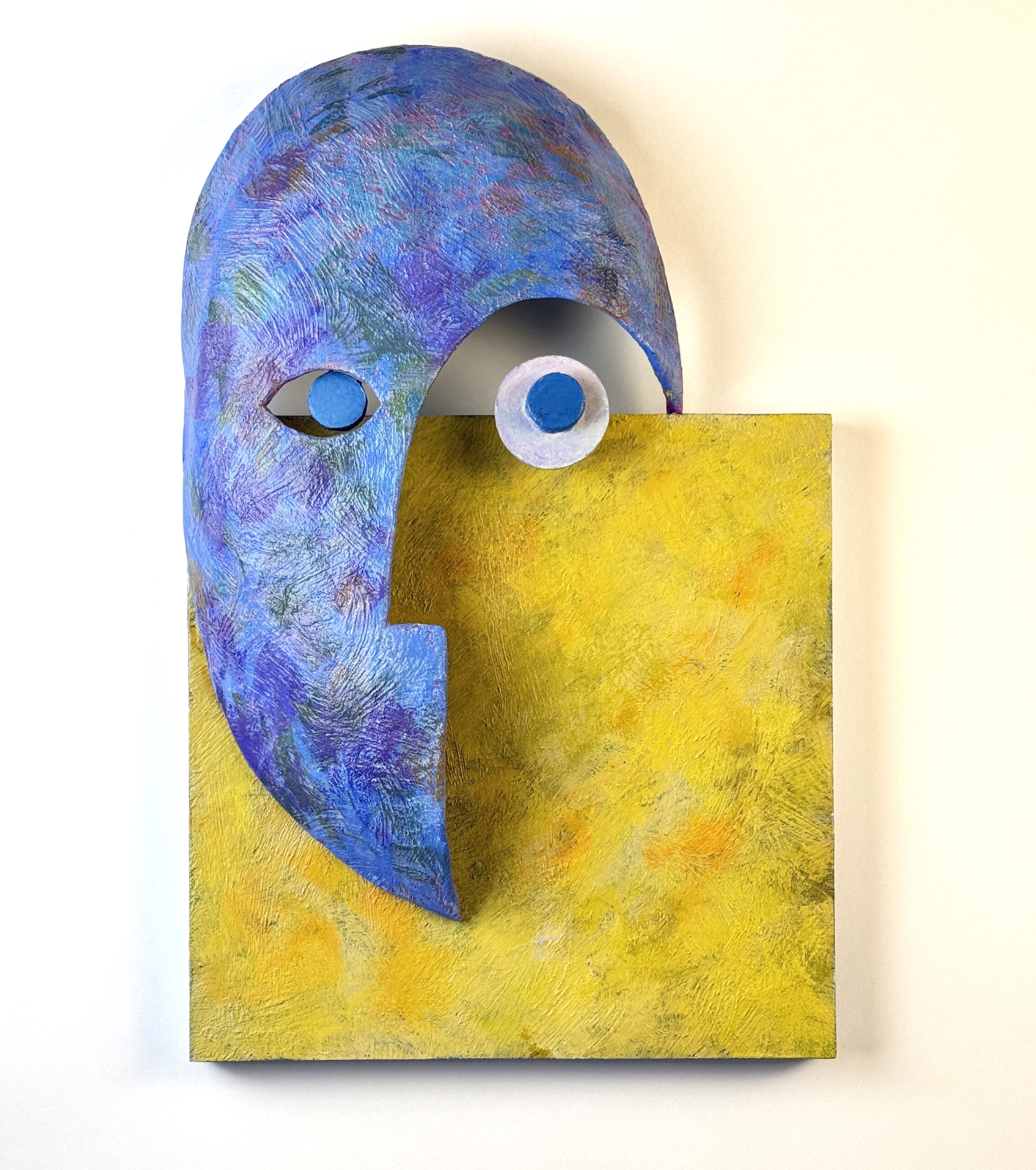
In 1980 he pursued painting full time, averaging an oil painting a day before transitioning to 3-dimensional work. Martin moved to Oregon in 1981 dividing his time between fine art and communications design. He returned to fine art full time in 2006 focusing on watercolor. Around 2018 he shifted to sculpture and mask making which continues as his primary focus. A boundless curiosity feeds his imagination to produce wildly unique works in a truly distinctive style.
Martin is represented by Xanadu Gallery in Scottsdale, AZ and Toriizaka Art Gallery in Sisters, OR. His works are in collections across the U.S. plus Austria, Canada, Denmark, France, Ireland, Portugal, and Zimbabwe.
Martin is a former instructor at Boston Art Institute, San Francisco Academy of Art College (now University), Pacific Northwest College of Art, Northwest Academy, and Sitka Center for Art and Ecology, and currently at Oregon Art Center. He lives in Portland, Oregon. His imagination, however, is not geographically attached.
Examples of My Work
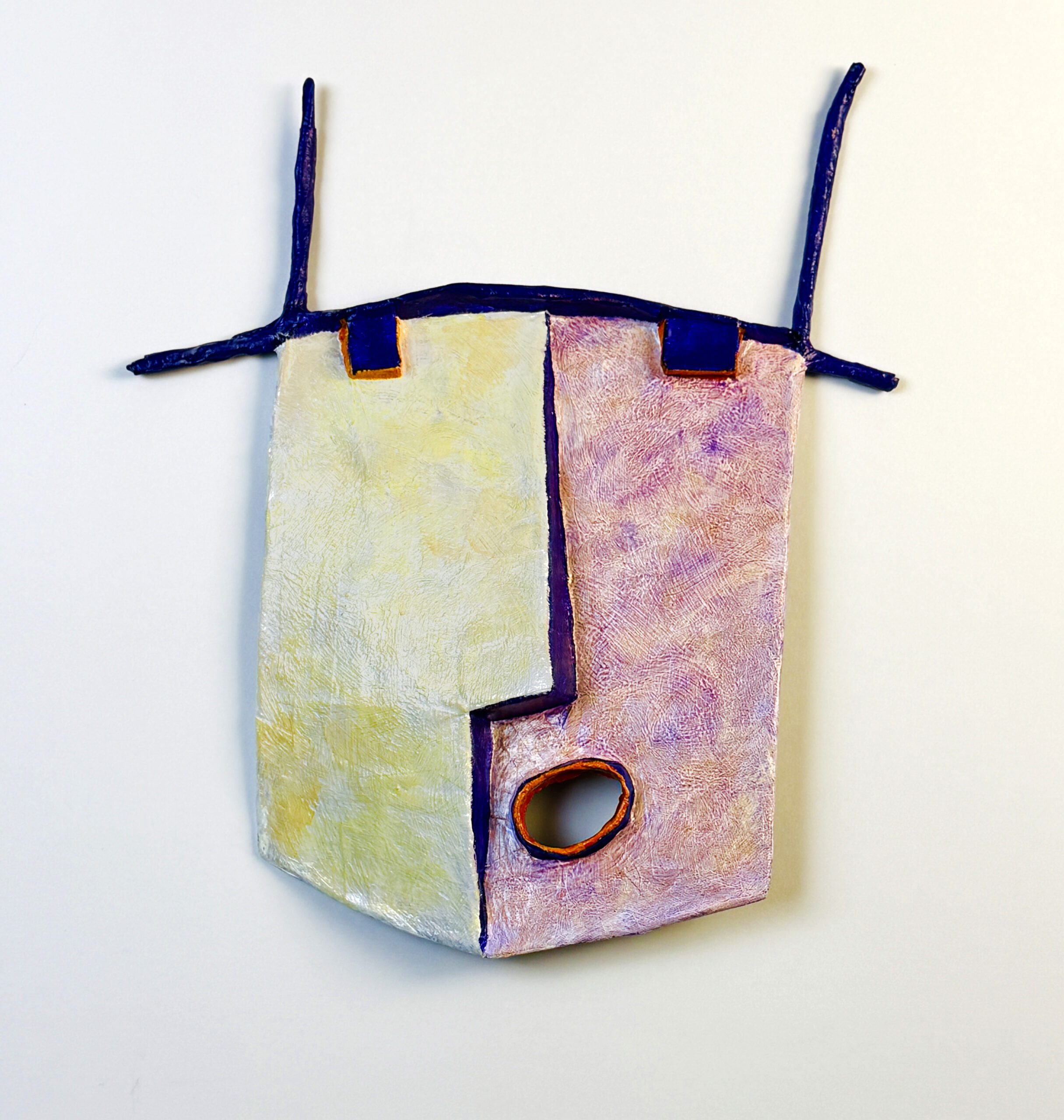
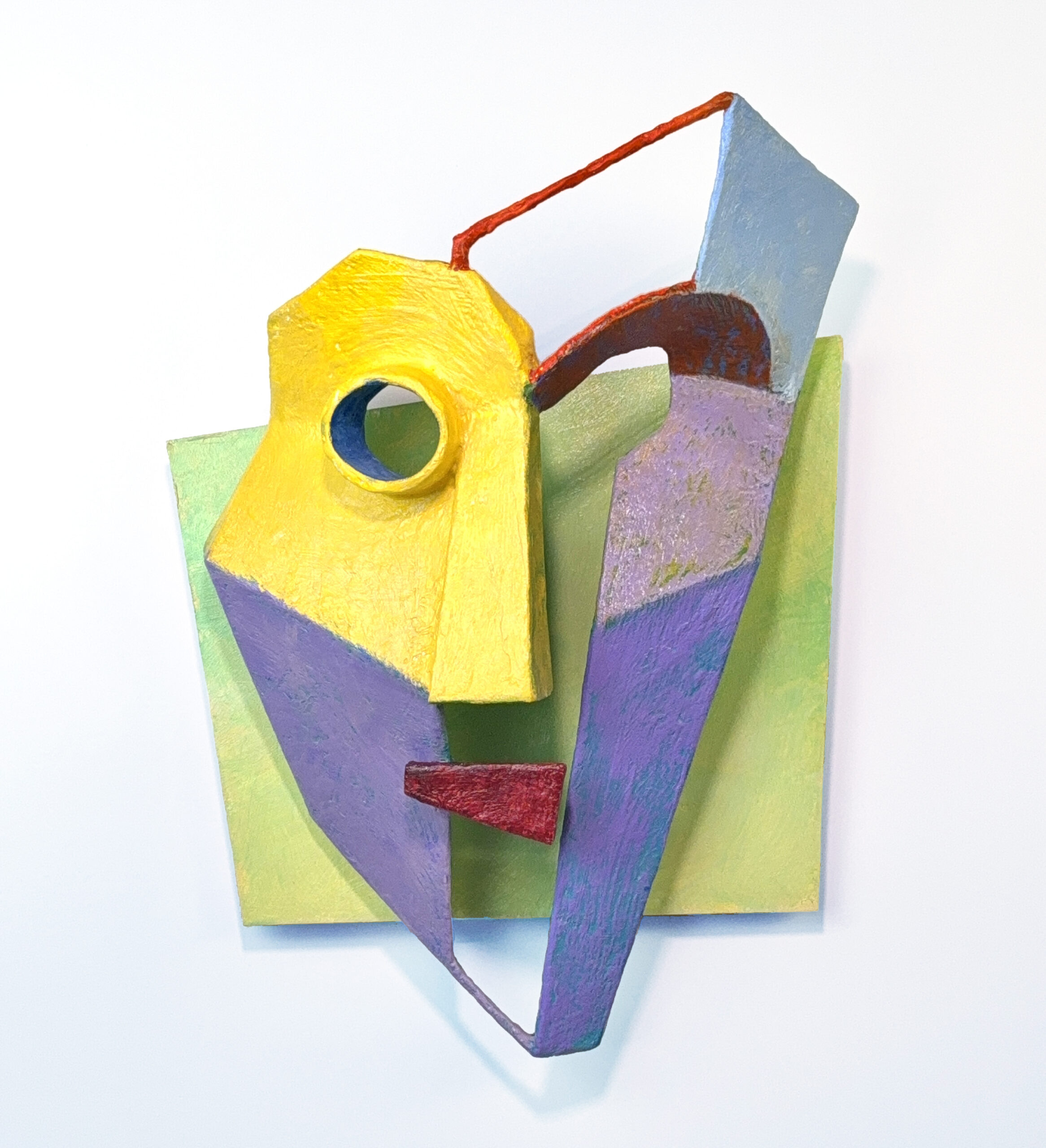
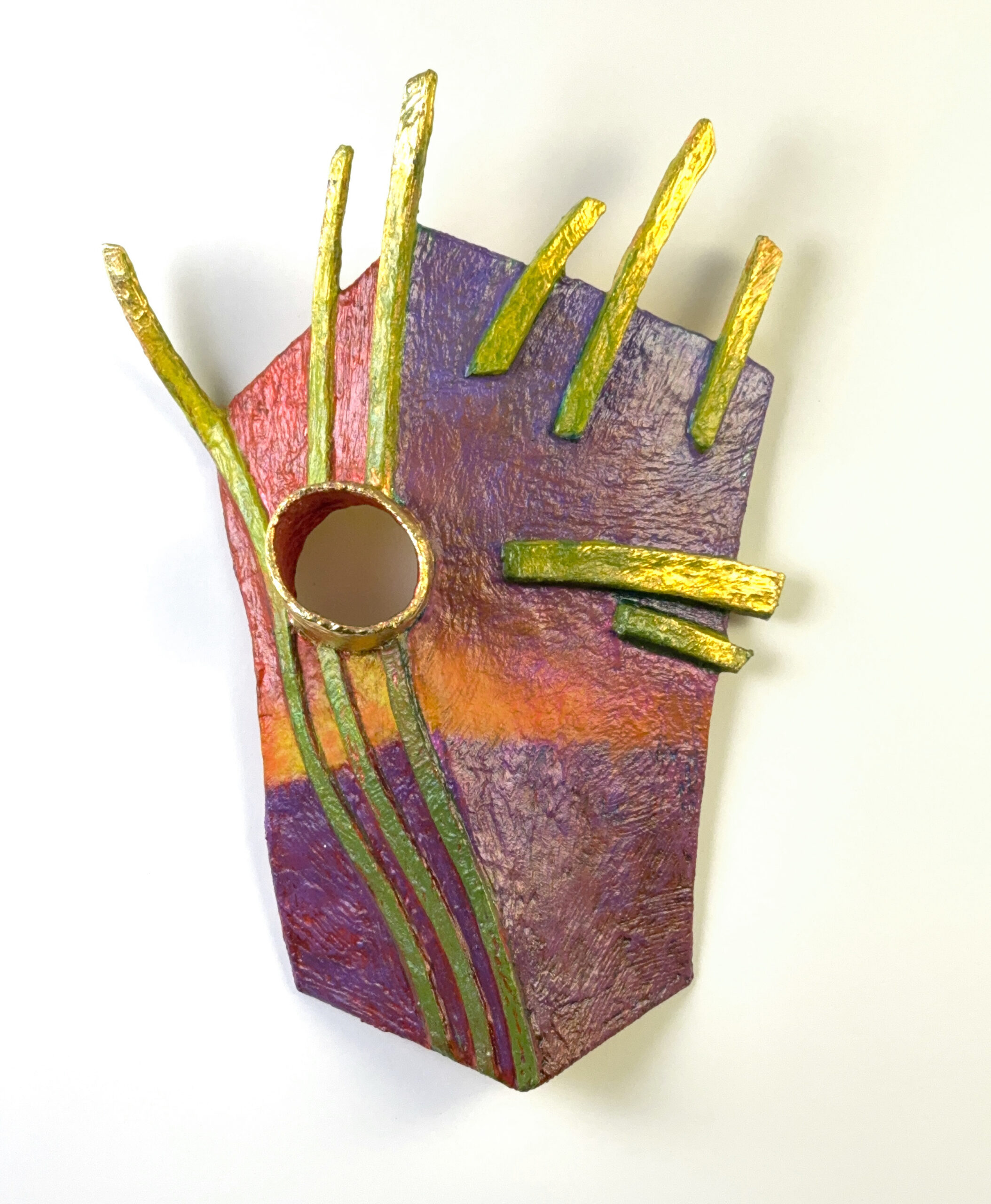
Fun Facts
I read topics like dumbed-down physics because it confuses me. Confusion sparks crazy ideas!
Raising bonsai keeps me humble. They are living sculptures that have ideas of their own.
A “vortex experience” on Bell Rock near Sedona, AZ triggered a shift from painting to sculpture.
I make excellent crab/shrimp ravioli with homemade spinach pasta and tomato sauce .
I have over 250 sketchbooks in my studio which I consult whenever I want to shake things up a bit.
More About Me
Describe your creative process.
Creativity and imagination serve two different but interconnected purposes. Creativity is the making phase – creating and solving problems in a unique way. Imagination explores impossibilities. My creative process is ping pong game between the two.
Any image, experience, or thought can initiate a new piece. Imagination and creativity work as visualization becomes realization. Regardless of my starting point, the journey involves dozens of small, simple sketches taking no more than a minute or two. Each is subjected to three questions: What if? What else? Why not? The answers trigger another sketch which again is subjected to the same 3 questions. When an idea emerges that I have not seen or created before, I move to 3D. Even then, the questioning continues and the piece evolves. As each mask or sculpture comes to life it begins to speak. At that point, I am more conduit than creator. It is an exhilarating state that I hope is evident through the energy of the completed piece.
How do you hope people feel when they engage with your art?
I don’t think many people agree about their feelings when viewing my work. Their first response is often a humorous reaction. From there, the archetypes take over. Reactions are based on personal experiences, connotations, situations. While the symbolism may be universal, their responses are uniquely individual. I am not concerned with how people respond as long as they feel something deeper than that first reaction. For me, that completes the piece. Through the artwork, we bond on a primal level.
Tell us about your art studio.
My studio is an extension of my imagination where my ideas become tangible sculptures and living masks. The studio is a few blocks from my home. When I am there, I am there to work. I don’t often sit. I usually have more than one piece in progress. When I reach a point where I need to think about the next step, I move on to another piece and let different solutions present themselves. When the right one appears, I return to complete the next step.
Within my studio, I frequently rearrange worktables and lighting. I switch from audio books to different genres of music. These simple alterations keep me from predictable routines and ruts. The process of pattern breaking helps avoid repetition. The uniqueness of each piece is the result of my studio environment.